
THEMATIC WORKSHOPS
Karioca offers workshops that cover a wide spectrum of themes, meticulously prepared with dedication, professionalism, and elegance to serve various purposes. If you’re interested in organizing a workshop with Karioca but are unsure about which theme most resonates with you then you can find an extensive catalogue of possible topics below. Of course, you are also welcome to make suggestions about other themes that haven’t been listed here.
CLASIC ORIENTAL / TARAB
Eastern classical music is refined, complex, and delicate. The lyrics are poetic and profound. Some notable singers include Oum Kalthoum, Abdel Halim Hafez, Warda, and Mohammed Abdel Wahab. It is crucial to understand the complexity of the music as well as the message of its lyrics to dance with the level of respect these pieces deserve. In this workshop, we will focus on one specific theme [tarab piece?], exploring the various layers of the music. We will also delve into technique and expression.
ORIENTAL FLAMENCO
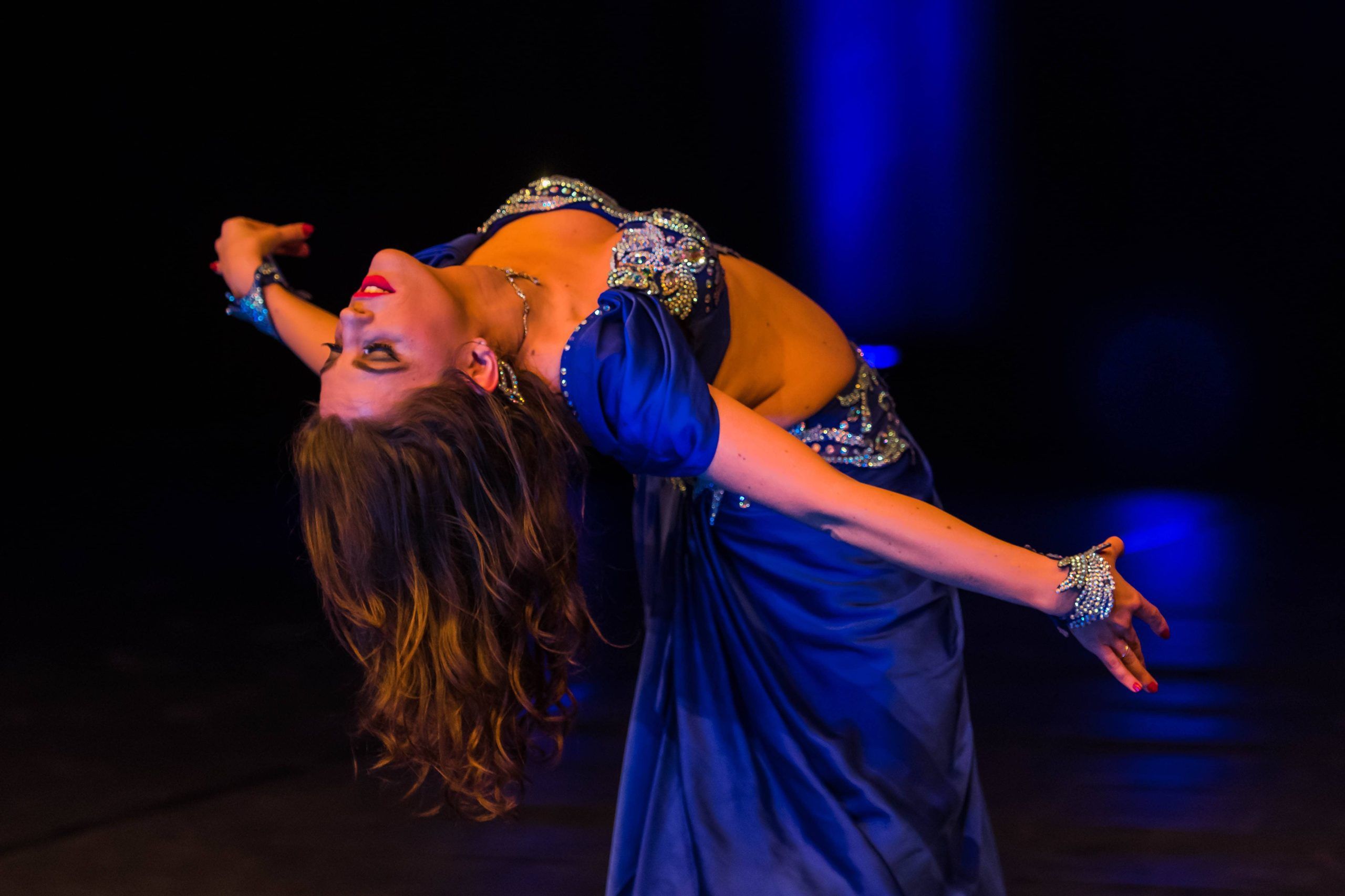
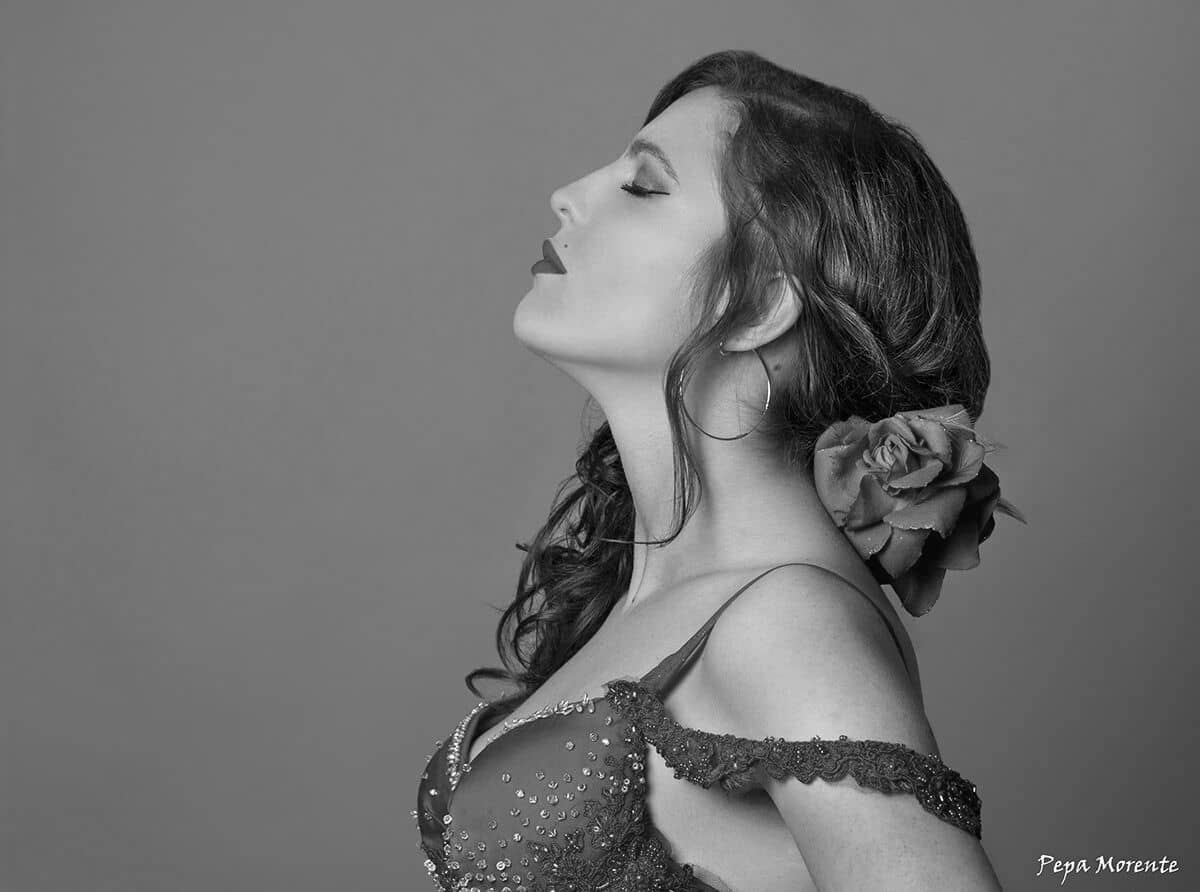
Flamenco and Oriental dance are two completely different styles, yet they complement each other in a captivating way. This workshop introduces the foundations of Flamenco, its expression, and the main differences compared to Oriental dance. In more advanced workshops, we will explore how to find suitable music for this fusion and the different requirements it should meet. We will learn technique, combinations, and, upon request, participants can also receive help preparing a choreography.
SAIDI
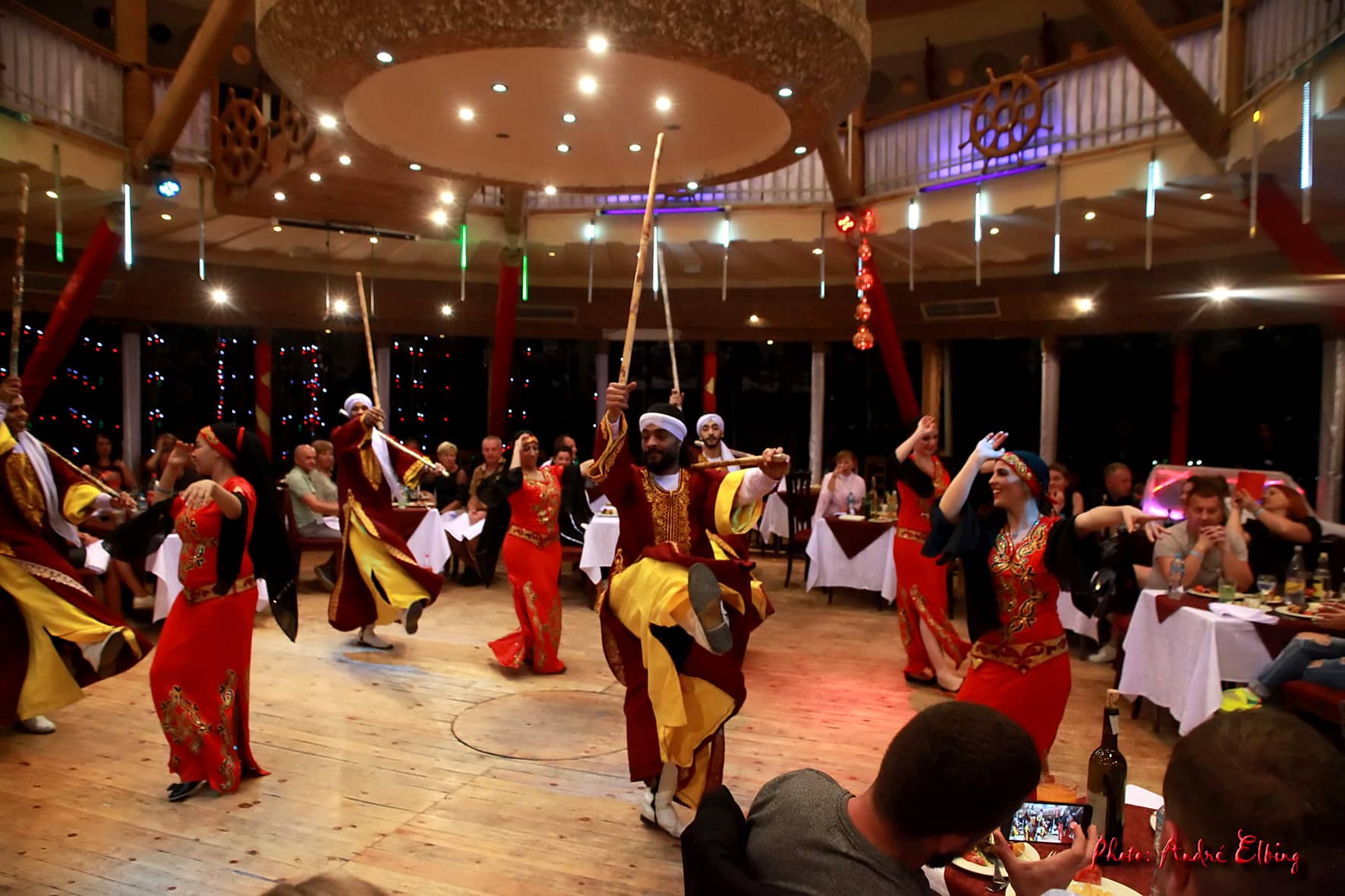
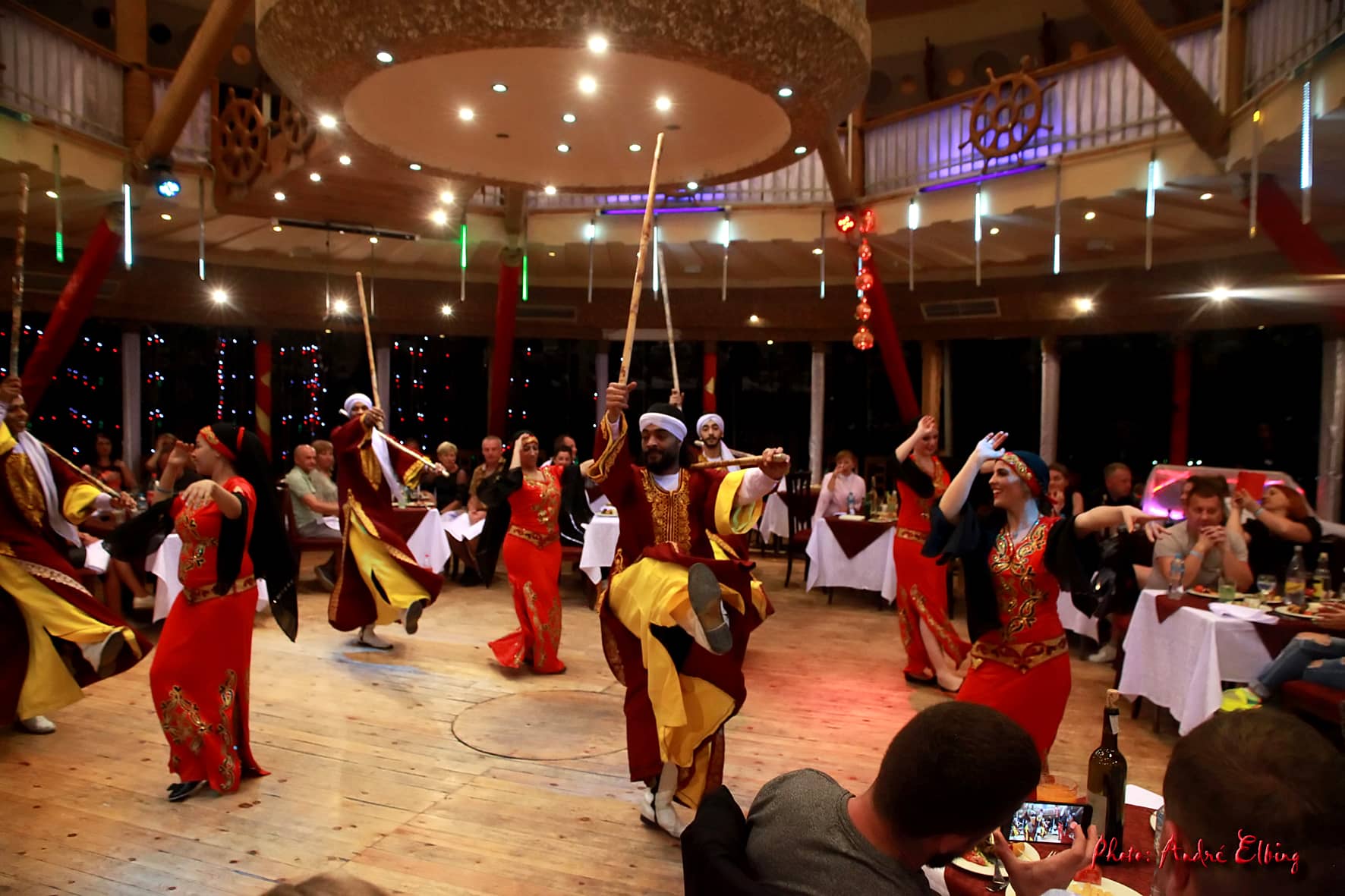
Saidi is a type of folk dance from southern Egypt. It is an energetic, joyful style with jumps and dynamic movements and can be danced with or without a stick (Assayah). In Karioca’s Saidi workshops you will learn more about the differences between the masculine and feminine styles. We will also study technique with the stick and different combinations [of what?]. For the advanced or professional level, we can include the double Assayah.
DRUM SOLO
Drum solo pieces are characterized by great accuracy and precision in movements, as well as an absolute mastery of body dissociation. In this workshop, I will provide tips to help students work on dissociation, to help them strengthen muscles and improve the transitions between movements. For more advanced workshops, we will work on combinations and more advanced techniques. Upon request, we can even create a choreography. There is the possibility of conducting the workshop with a professional musician and even holding a workshop solely focused on Arabic? rhythms, explaining the interaction between the musician and the dancer on stag
RUTINA ORIENTAL/MEJANCÉ
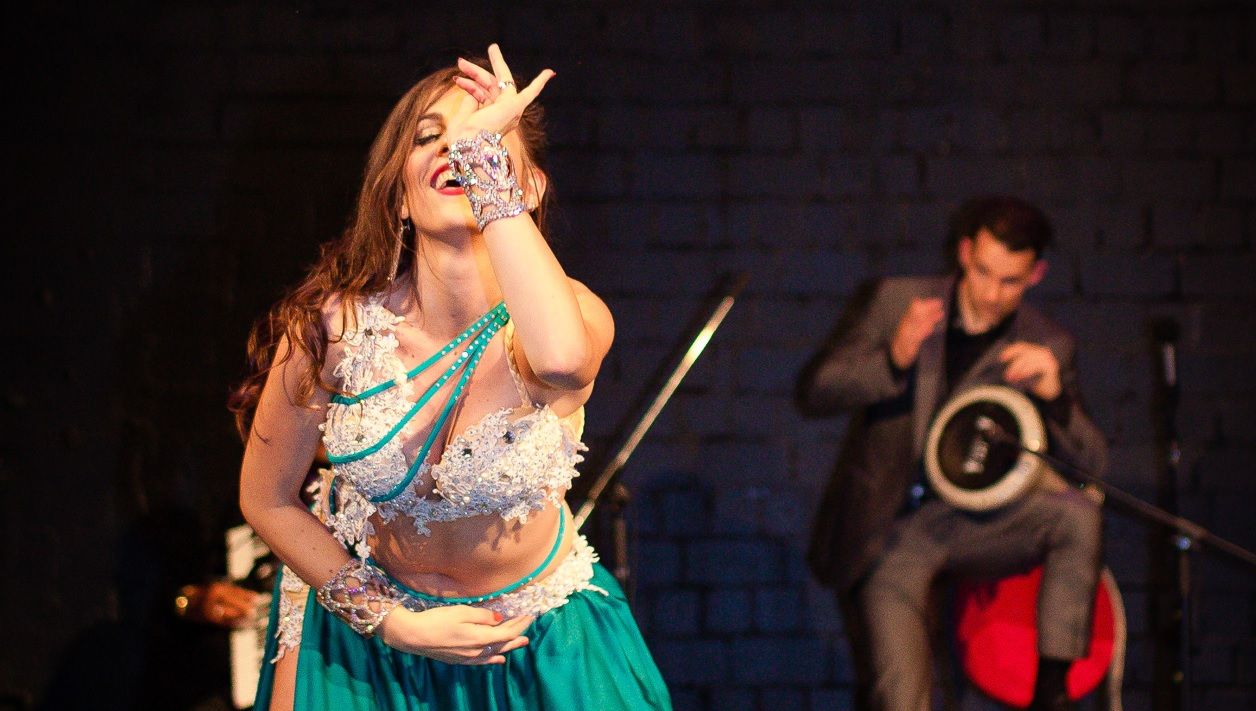
An Oriental routine includes elements of more modern and/or contemporary dance. It involves complex spins and, above all, it is very dynamic. The music is usually quite fast and powerful at the beginning and may contain fragments of folklore such as Saidi or Khaleegi. There may also be some segments of Baladi or a percussion solo. Elements like the veil or Isis wings can be used in the introduction. Despite the presence of such elements, the essence of Arabic dance is not lost. Due to the wide variety of themes and the technical difficulty of these choreographies, this workshop is recommended for intermediate, advanced, or professional levels.
BALADI
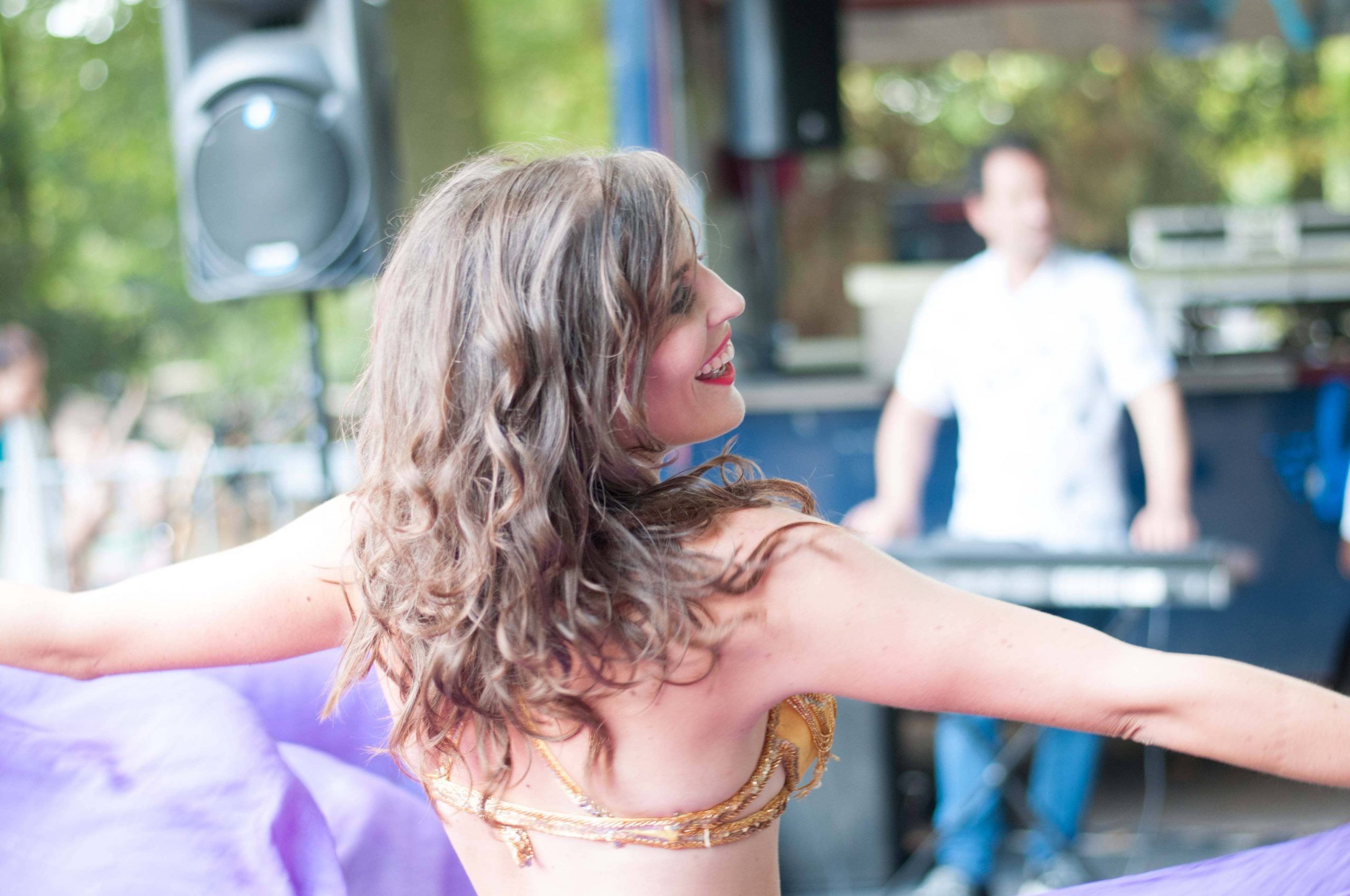
Baladi, the king of Egyptian styles, is loved and danced everywhere in its birthplace, Egypt, and is deeply rooted in local? culture. When performed on stage, it is refined, but it is the musicality and the feeling of deep connection with the music that make baladi very complex to dance, despite its apparent simplicity. It usually features a lot of improvisation, or at least has to be presented as such. To master baladi, one must work extensively on interpretation in solos (taksim), the most common rhythms of the style, and mime, which is essential for achieving a «juicy» baladi.
HAGALLAH
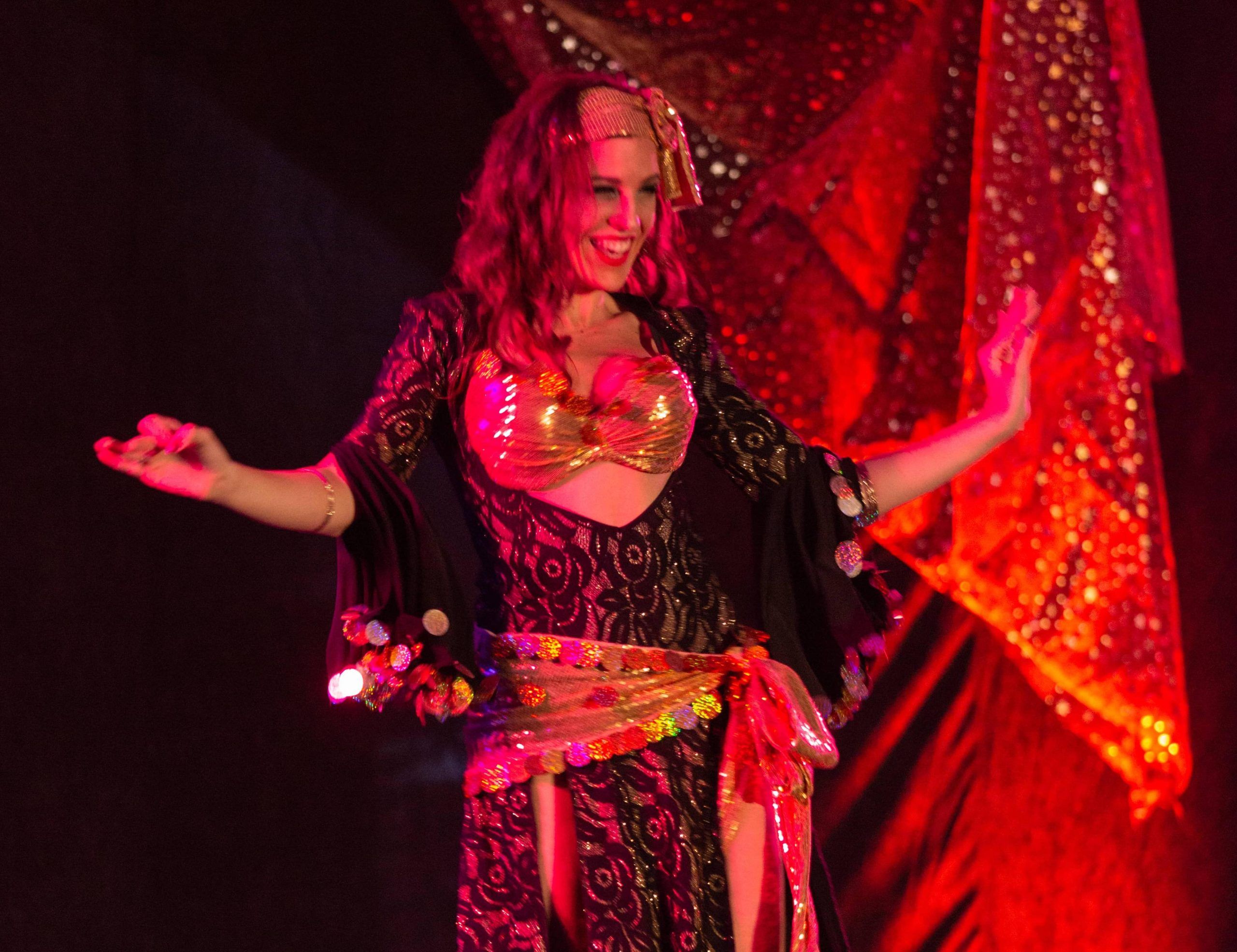
This beautiful folklore style, originating primarily in Libya, is a true spectacle to witness, enjoy, and dance. If you want to learn the typical steps, gestures, costumes, and rhythms, this is the workshop you need.
ESKANDARANI
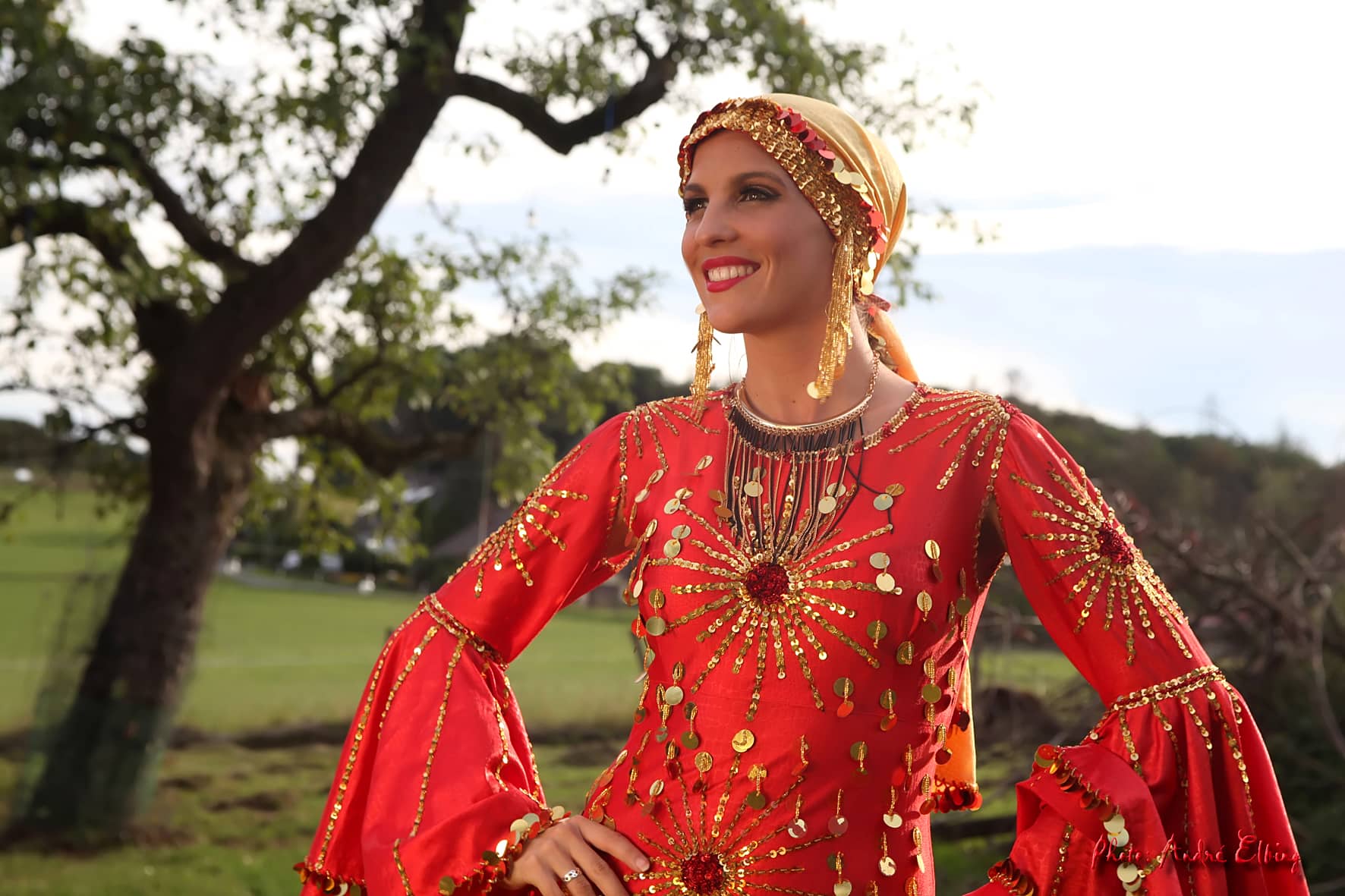
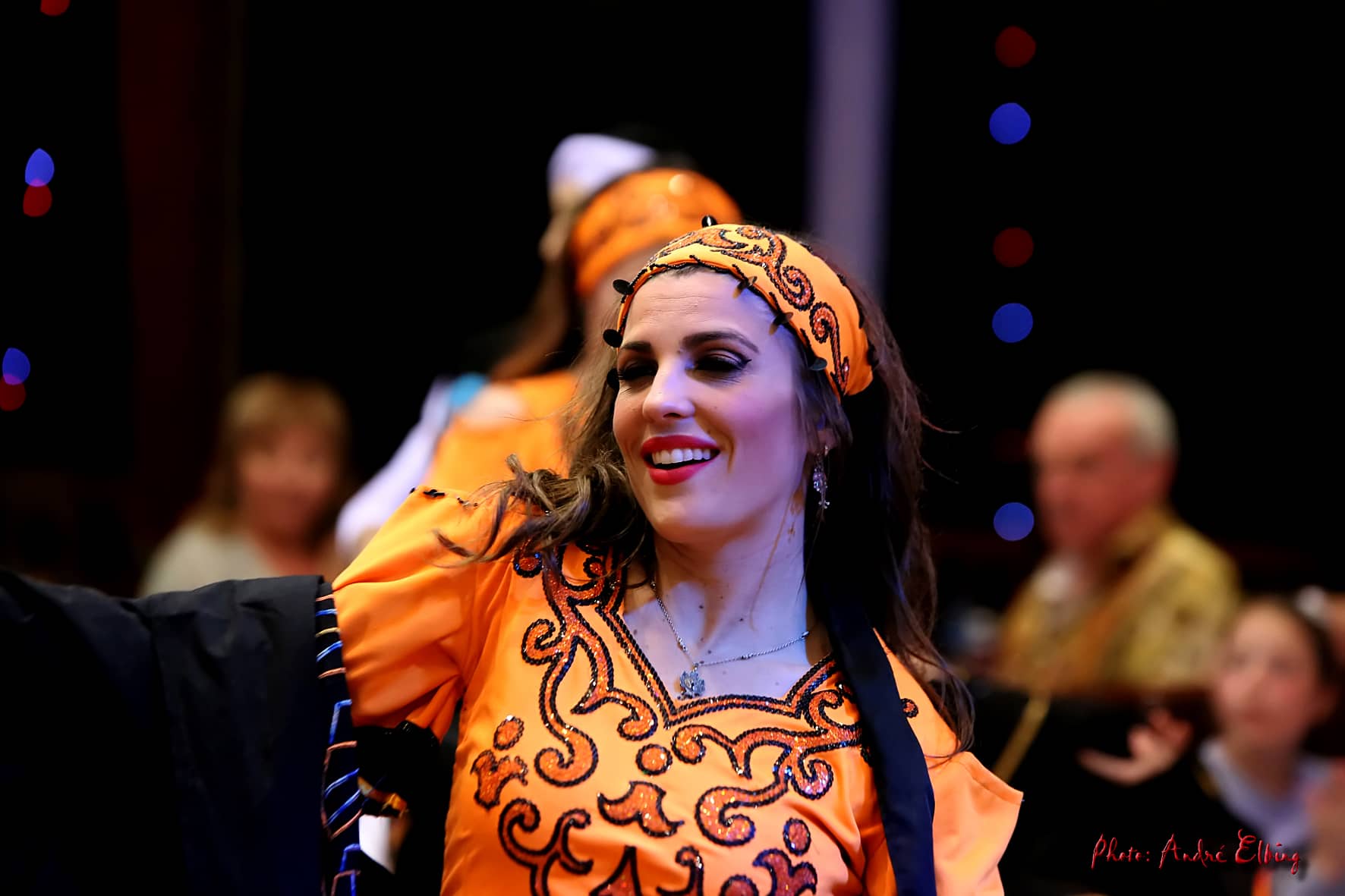
The Eskandarani or Iskandarani is an urban dance style inspired by the lifestyle of Alexandria, the port city of Egypt. The dance and costume of Eskandarani are driven by the «mealy leff.» The Eskandarani attire is quite unique: it consists of a short dress to the knees, with frills, a headscarf with tassels or flowers, and high heels. The Eskandarani can be danced with a large black shawl called «melaya»; then the dance is called «melay leff,» which means «wrapped in a scarf.» It is also possible to see dancers with their faces covered by a veil called «yashmak.» This dance style is cheerful and flirtatious, and requires quite good acting skills. When performing this style, the dancer usually covers and uncovers herself with a shawl to tease the audience. The music for Eskandarani dancing mainly consists of songs about the sea, fishermen, and Alexandria.
KHALEEJI
Khaleeji is a blend of folk dances containing elements from both traditional and modern styles from Gulf countries such as Saudi Arabia, Kuwait, Oman, Bahrain, Qatar, and the United Arab Emirates.
The name «Khaleeji» literally means «from the Gulf» in Arabic and is often performed in groups at special events by women. Men also have their styles, but they are also performed in groups, with or without accessories such as rifles, sticks, drums, swords, scarves, etc. The word «Khaleeji» is used to describe more than just the dance aspect of the culture and can indeed be used for anything related to Gulf culture.
ISIS WINGS
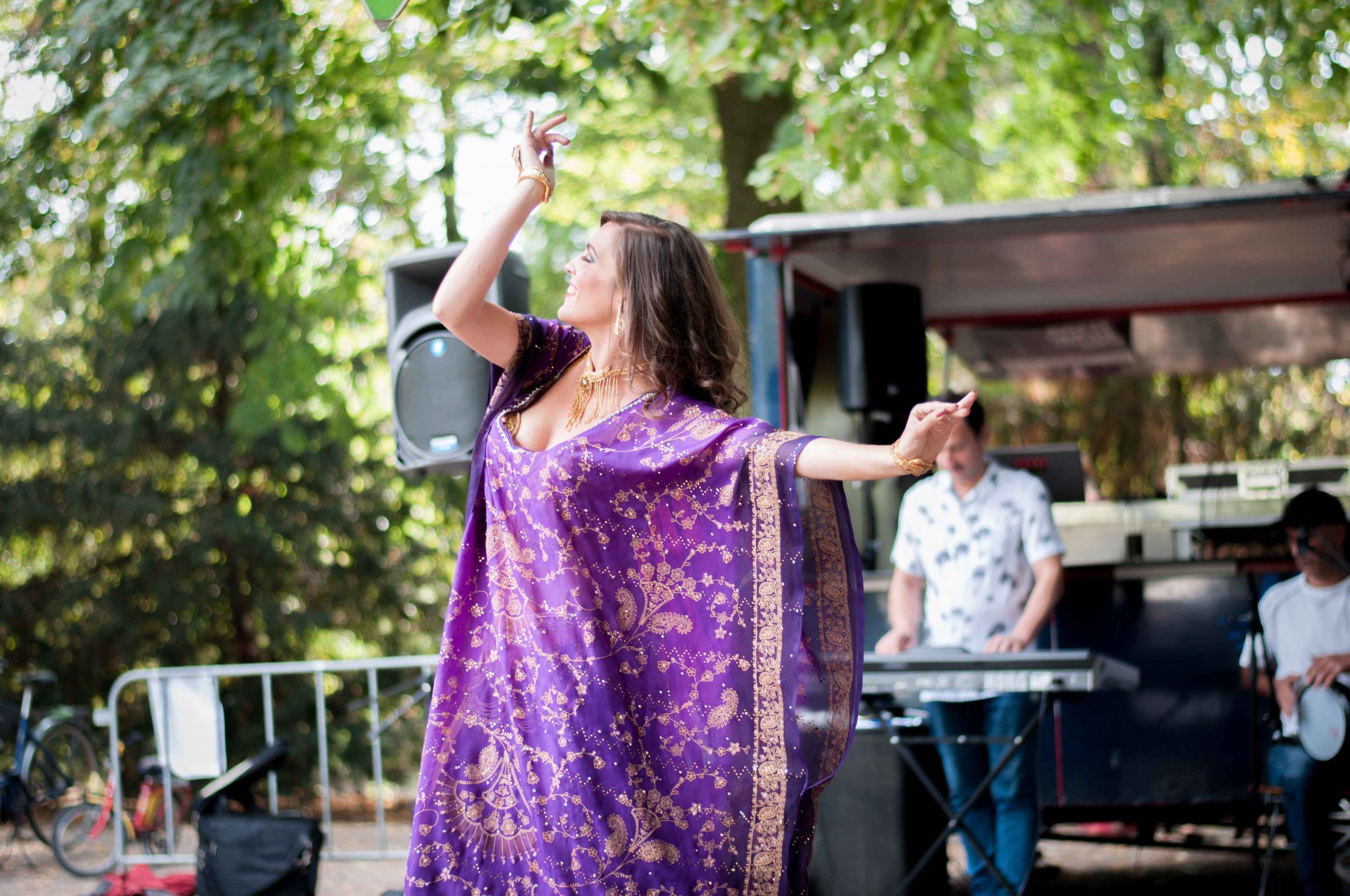
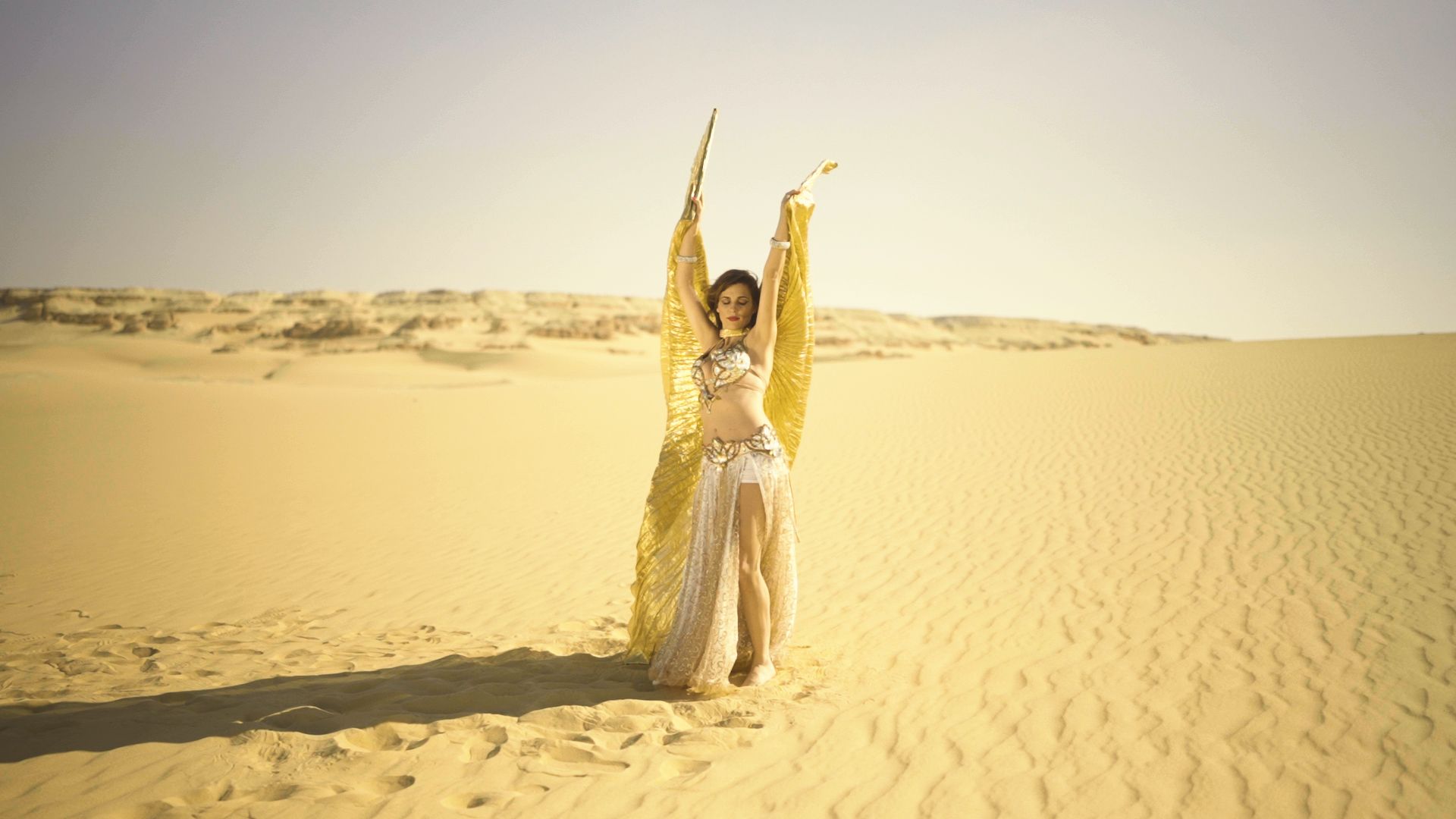
The Wings of Isis are a prop used to enhance entrances, making them visually more impressive and spectacular. They are also used in fusion and fantasy songs with influences from Middle Eastern music. There are many types of wings made from different materials, each creating a completely different effect. This workshop focuses on technique, tricks, combinations, and, upon request, choreography.
silk fans
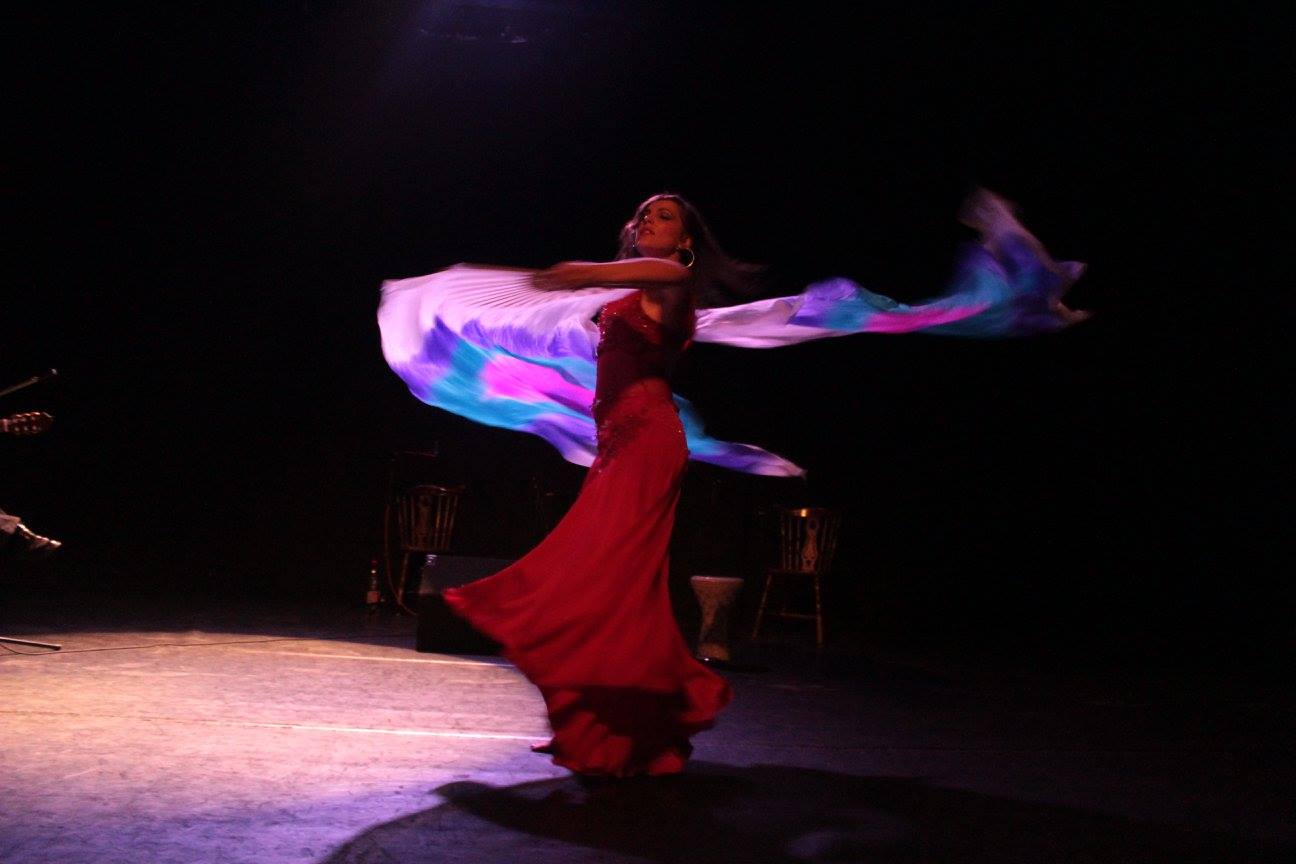
Silk fans are another star element in fusion dance, and they add a very distinctive touch to your performance. In this workshop, we study different techniques, combinations, and choreographies?.
Mahraganat /Shaabi /Trap
Also within the realm of Baladi, this style, which is also of Egyptian origin, is now probably the most popular style and the main style to be performed at parties and shows in Egypt. It has a more local character and is closer to the more popular classes, both in its lyrics and its rhythms. In the workshop we will explore the differences between Maharaganat, Shaabi, and Trap. Understanding their distinctive lyrics, gestures, and character is crucial when performing these styles.
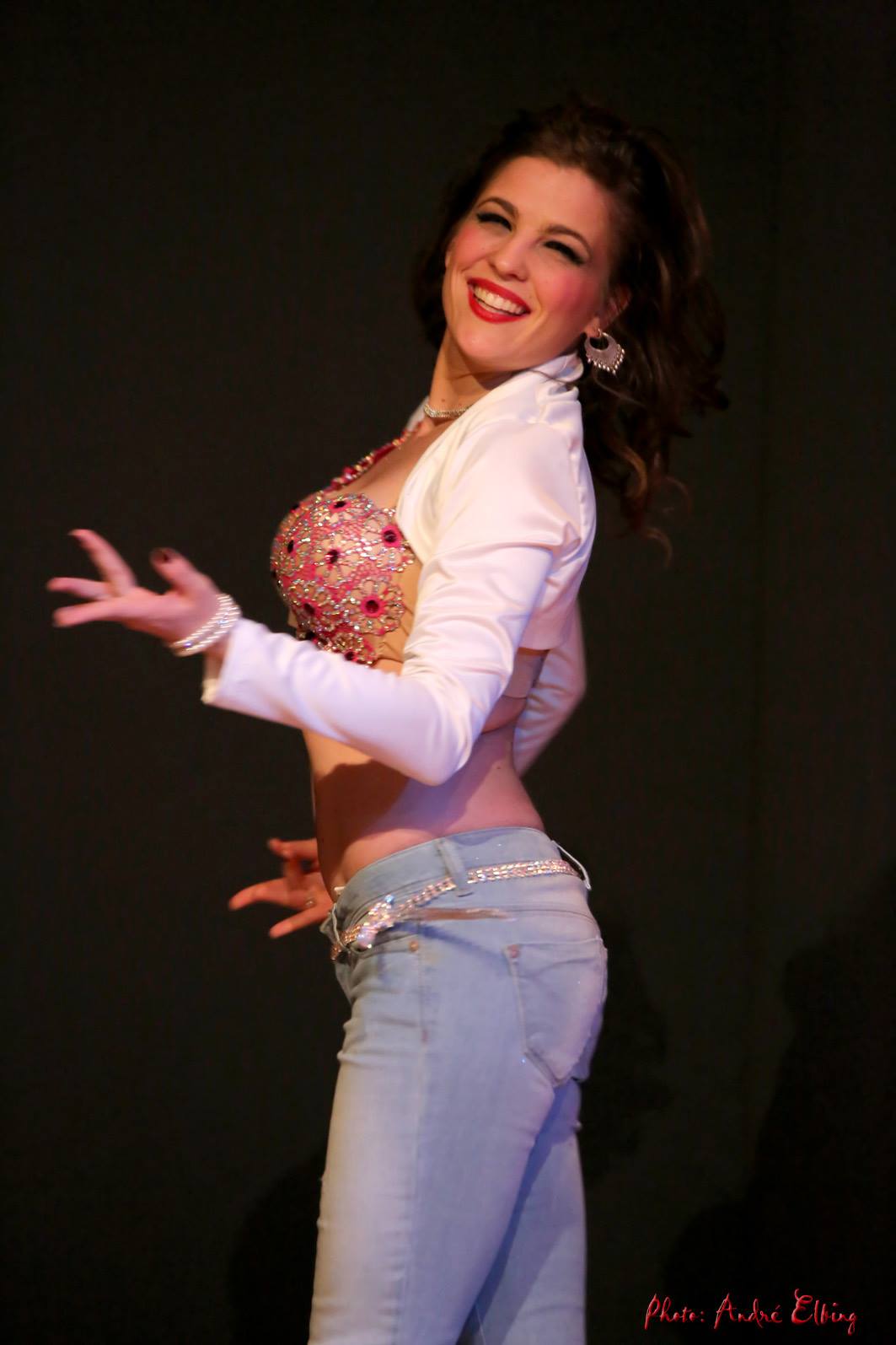
SHAMADAN
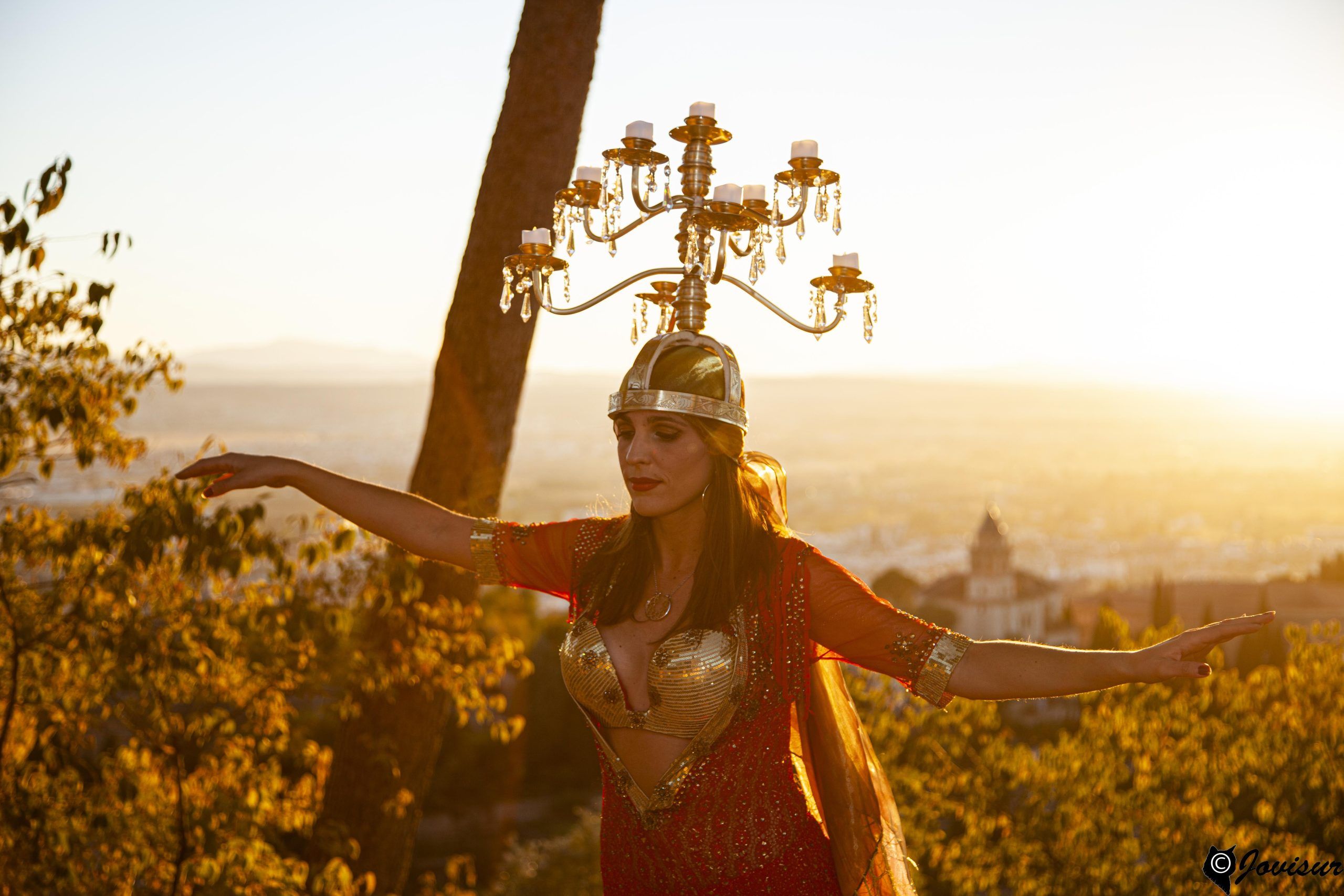
The Shamadan (written phonetically in various ways) is a large candelabra balanced on the head of the dancer and represents a unique tradition of Egyptian dance. Historically, this beautiful dance accessory is used during Egyptian wedding processions, or zeffah. The Arabic word «zeffah» literally means «procession with noise». Now, as in years past, a zeffah is a joyful wedding parade, usually held at night, consisting of hired dancers (with or without candelabras on their heads), musicians, singers, and family members, parading through an entire neighborhood to escort the bride to the groom’s house. Nowadays it is used in shows in many ways and is often very effective in group choreographies or to open a show. This workshop explains the basics of technique with exercises and combinations. A choreography with this element can also be created.
Sable
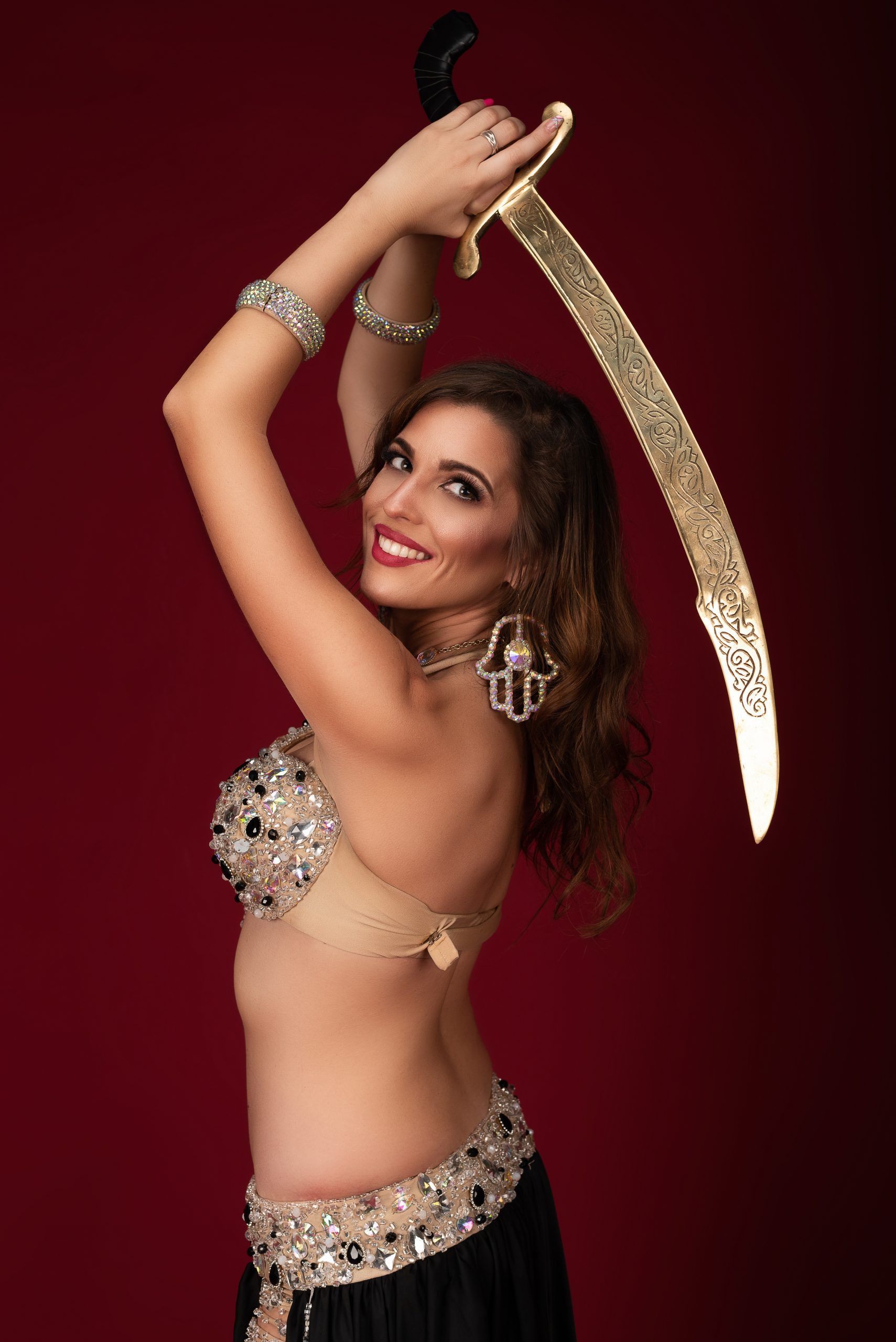
There are many theories and legends about the origins of sword dancing.
Dancing with a sword demonstrates sensuality, grace, power, incredible skill, and balance.
Karioca
INTERNATIONAL ORIENTAL DANCE ARTIST, TEACHER AND CHOREOGRPAHER
Enlaces rápidos
Contacto
kariocadance@gmail.com